
Why Your Dog’s Movement Changes With Age & What You Can Do About It
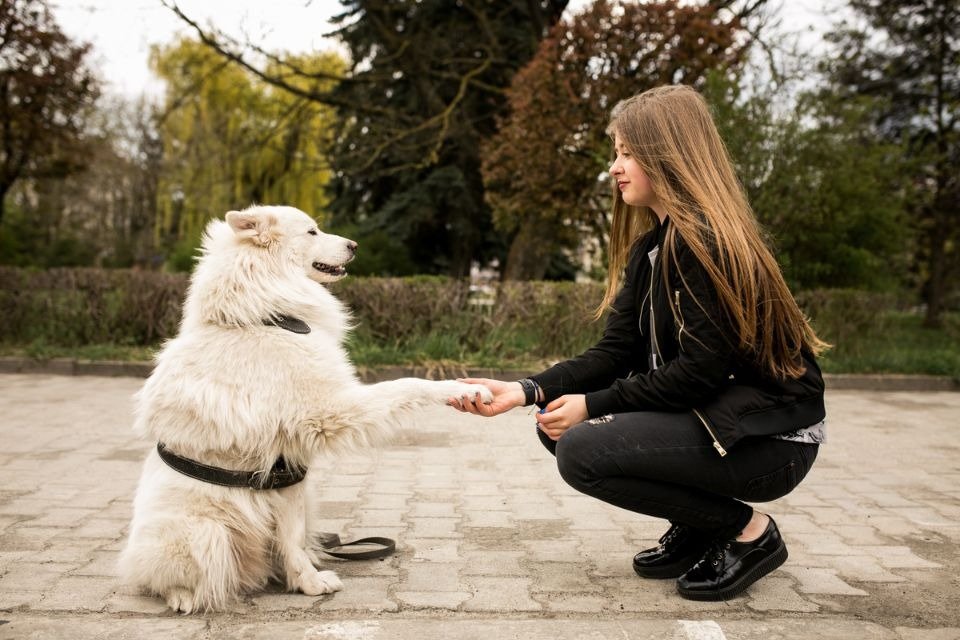
Dogs rarely tell us when something feels off. They adapt quietly, shifting how they move, resting a little longer, taking the stairs with a bit more hesitation than they used to. By the time a dog parent notices something has changed, the shift has usually been happening for a while. Mobility changes in dogs are common, gradual, and easy to miss until they’re no longer subtle.
Understanding why movement changes as dogs age makes it easier to respond thoughtfully. Cartilage, the tissue that cushions joints and allows smooth movement, naturally thins over time. As it does, everyday activity can become more demanding on the body. According to the American Kennel Club, maintaining an active lifestyle as dogs age may help support joint health and muscle condition, and there are many ways to give a dog’s body more to work with through that process, from adjusted exercise routines to targeted nutritional support.
For dog parents looking to take a proactive approach, combining gentle daily movement with a quality supplement routine can make a meaningful difference over time. A thoughtfully formulated option designed to support dog mobility may help with the joints, connective tissue, and flexibility that make everyday movement feel more comfortable for a pup. The key is building that support into the daily routine before stiffness becomes the new normal.
What Changes Inside the Joint
To understand why mobility support matters, it helps to know what’s happening structurally. Joints rely on cartilage as a cushion between bones and on synovial fluid to keep movement smooth and friction low. As dogs age, or in breeds already predisposed to joint issues, both of these can become less effective. The result can be a joint that moves with more resistance and, over time, increased inflammation that makes ordinary things like rising after a nap or jumping into the car feel like more of an effort.
It’s worth remembering that joints are living tissue, and what a dog eats, how they move, and what nutritional support they receive each day all play a role in how that tissue holds up. Certain ingredients are well-studied for their potential role in supporting this process. Glucosamine may help provide building blocks for cartilage maintenance. Chondroitin may help support cartilage integrity over time. MSM, a naturally occurring sulfur compound, may help support connective tissue and the everyday inflammatory response that builds up with regular activity. Research published in the National Library of Medicine found that marine-based omega-3 fatty acid compounds showed meaningful improvements in mobility scores in dogs with hip osteoarthritis across a six-week period, suggesting that fatty acid support can play a real role alongside structural joint ingredients.
When these elements come together in a daily routine, many dog parents notice a difference that no single ingredient on its own seemed to provide.
Movement Still Matters
Supplementation works best when it’s paired with consistent, appropriate activity. It’s a common instinct to reduce a dog’s movement when they seem stiff or slow, but gentle, regular exercise tends to support joint health rather than strain it. Short daily walks, light play, and low-impact movement help keep muscles strong enough to support joints, improve circulation to joint tissue, and maintain the range of motion that makes everyday life feel easier for an aging pup.
The AKC notes that swimming is particularly well-suited for dogs with joint sensitivity, as it provides full-body exercise without placing significant load on the joints. Even simple adjustments like swapping one long walk for two shorter ones can help a dog stay active without overtaxing their body on harder days. The goal isn’t peak performance. It’s keeping your pup comfortable, engaged, and moving well enough to enjoy the things they love.
Watching for the Signs
The earlier mobility changes are noticed, the earlier they can be addressed. A dog who seems reluctant to jump into the car, who rises slowly after a nap, or who favors one side when walking may be signaling that their joints could use more support. These signs don’t always point to something serious, but they are worth paying attention to and raising with a vet.
Dog parents who establish a daily supplement routine and keep up with low-impact movement tend to give their pup the best foundation for staying active and comfortable as they age. It’s a quieter kind of care, the kind that works steadily in the background long before any single sign prompts a visit to the vet. And for a dog who depends entirely on the people around them to notice what’s changing, that kind of steady attention may be one of the most meaningful things a dog parent can offer.