
Toddler Feeding Is Harder Than It Looks. Here’s What Actually Helps
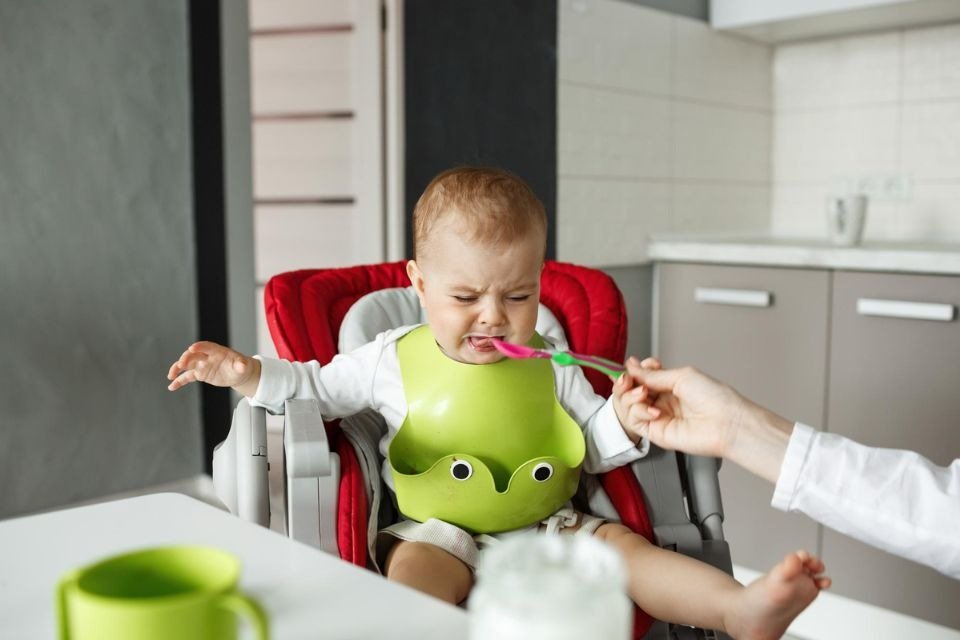
Toddlers are notoriously difficult to feed. They reject food without reason, accept it again, and then reject it permanently. They have opinions about the color of their plate. Food they ate without complaint for three weeks becomes completely unacceptable on a Tuesday. None of this is unusual. It’s developmentally normal. But it still makes mealtimes genuinely exhausting.
The difficulty isn’t just behavioral. Toddlers are going through rapid physical and neurological development during this period, and their appetite, taste sensitivity, and food preferences shift as a result. Research published by the American Academy of Family Physicians found that toddlers’ daily food intake can fluctuate significantly from one day to the next. That variability isn’t something to manage away. It’s just something to understand.
What toddlers eat during these years carries real weight. Pediatric nutrition guidance from the American Academy of Pediatrics recommends nutrient-dense foods, age-appropriate textures, and limited processed or added-sugar options for this age group. The same guidance notes it may take 8 to 10 exposures to a new food before a toddler accepts it consistently. Patience is built into the process, whether parents want it to be or not.
The Planning Problem Most Parents Don’t Talk About
Most parents already understand the principles. Variety. Whole foods. Less processed stuff. The challenge usually isn’t knowledge. It’s the daily execution: figuring out what to make, whether you have the ingredients, whether the texture is appropriate for the developmental stage, and whether any of it will actually get eaten.
That’s the gap toddler meal delivery services have been built to address. Options like Nurture Life design meals specifically for this age group, with bite-sized pieces that support self-feeding, whole ingredients reviewed by registered dietitians, and enough variety to keep rotating what toddlers are exposed to. Meals are prepared fresh and delivered refrigerated, ready to serve without additional prep. For families where time is the binding constraint, that solves a large part of the day-to-day workload.
It doesn’t replace every meal. But it takes some of the harder decisions off the table on the days when there’s nothing left to give.
What to Actually Look for in Toddler Food
Not all toddler food is the same, even when it’s labeled that way. Portion size, texture, ingredient quality, and nutritional balance vary significantly across products. For this age group specifically, texture matters in ways it doesn’t for older children. Pieces need to be soft enough to be safe and small enough for developing fine motor skills. Most general food products aren’t designed around those requirements.
Ingredient lists are worth reading carefully. Many products marketed for children contain more added sugar, sodium, or artificial additives than they appear to on the label. Meals built around organic vegetables, antibiotic-free proteins, and whole grains are genuinely different from the average shelf option. That’s not a small distinction for a child whose entire diet is built out of a relatively small number of foods.
The Consistency Piece
Research is reasonably consistent on this: what drives results with toddler eating is repeated exposure over time. Not any single meal, not any single approach, but a steady rotation of varied, whole-food options offered without pressure around refusal. The pattern across weeks and months is what shapes preferences, not any particular Tuesday.
For parents trying to build that consistency without it becoming a project in itself, having part of the solution handled externally matters. Fewer daily decisions, no prep overhead, and a reliable rotation of age-appropriate options on hand. That’s the practical case for it, stripped of any marketing around it.
What Parents Often Forget
Toddler feeding isn’t a problem that gets solved. It gets managed, week by week, with some wins and plenty of refusals. The goal isn’t a toddler who eats everything. It’s a toddler who gets regular exposure to a range of good ingredients in an environment that’s reasonably low-pressure.
That’s a more achievable target than most parents set for themselves at the start. And it’s one that, with the right setup, doesn’t have to require a heroic effort every single evening.