
The Logistics of Affordability: How D2C Efficiency is Redefining Eyewear in 2026
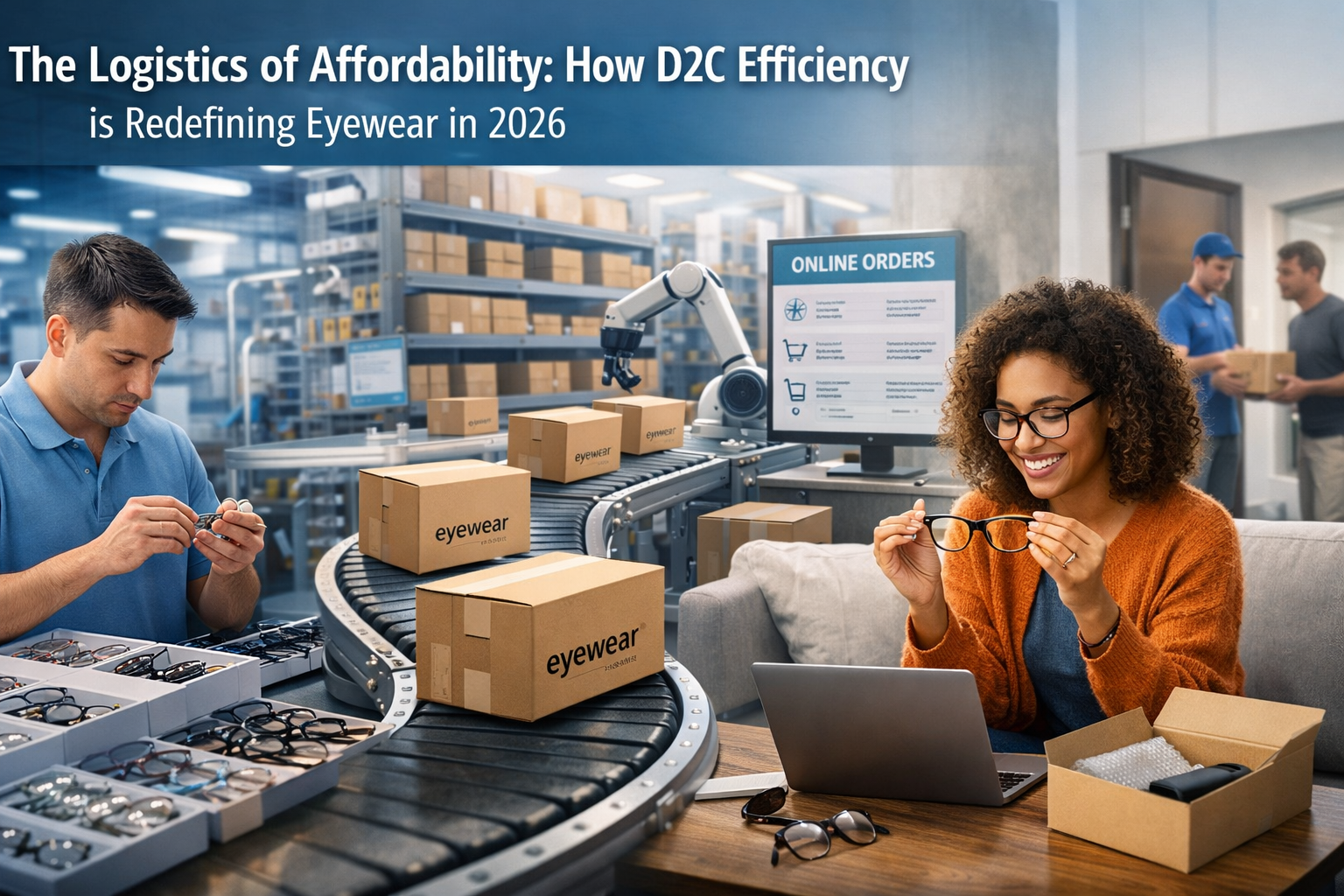
The eyewear industry has undergone a remarkable transformation in recent years. For decades, purchasing prescription glasses meant visiting a physical optical store where prices were often high due to multiple layers of distribution. Manufacturers, wholesalers, retailers, and store operators all added their own markup, making eyewear significantly more expensive for consumers.
By 2026, the rise of the direct-to-consumer (D2C) model has reshaped how people buy glasses. Instead of relying on traditional retail channels, many eyewear companies now sell directly through online platforms. Brands like GlassesShop have embraced this approach, enabling them to streamline operations, reduce unnecessary costs, and provide customers with stylish eyewear at far more competitive prices.
This shift is not simply about moving sales online. It represents a complete restructuring of logistics, manufacturing, and supply chain management that has made eyewear more affordable and accessible than ever before.
Eliminating the Middlemen
One of the biggest advantages of the D2C model is the removal of unnecessary intermediaries. In traditional retail systems, eyewear products often passed through several different parties before reaching the customer. Each step added costs, which ultimately increased the final price consumers paid.
Direct-to-consumer brands simplify this process by selling glasses directly through their own websites. Without the expenses associated with wholesalers, retail store leases, and multiple distribution layers, companies can reduce overhead significantly. These savings are often passed directly to customers, making high-quality eyewear far more affordable.
As a result, the D2C approach has allowed many brands to challenge the long-standing pricing structures of the traditional optical industry.
The Role of Smart Logistics in Cost Reduction
Efficient logistics have become a key factor in making affordable eyewear possible. Modern D2C companies rely on advanced supply chain technologies that help them manage inventory, forecast demand, and streamline order fulfillment.
Automation within warehouses allows companies to process orders quickly while reducing operational costs. Optimized shipping networks ensure that glasses move directly from manufacturing or distribution centers to the customer, eliminating unnecessary transportation steps.
These logistics improvements not only lower operational expenses but also improve delivery times. Customers benefit from faster shipping while companies maintain efficient cost structures.
Manufacturing Innovation and Flexible Production
Technological advancements in manufacturing have also played an important role in reducing eyewear costs. Modern production methods allow companies to produce frames and lenses more efficiently while maintaining strict quality standards.
In the past, eyewear manufacturers often needed to produce very large quantities to keep costs manageable. Today, flexible production systems allow companies to manufacture smaller batches based on real-time demand. This reduces excess inventory and allows brands to introduce new styles more frequently.
Consumers benefit from a wider selection of frames while companies maintain efficient production processes that support lower pricing.
Digital Tools Improving the Customer Experience
One challenge that online eyewear retailers initially faced was helping customers feel confident about buying glasses without trying them on first. Today, technology has largely solved this issue.
Virtual try-on tools allow shoppers to upload photos or use their device cameras to see how frames will look on their face. Facial measurement technology can recommend frame sizes that fit comfortably, while artificial intelligence systems suggest styles based on personal preferences.
These digital solutions create a convenient online shopping experience while eliminating the need for expensive retail showrooms. Without the high costs of physical storefronts, companies can continue offering competitive prices to customers.
Affordable Eyewear for a Wider Audience
Thanks to improved logistics and efficient business models, more consumers now have access to high-quality inexpensive glasses that meet both fashion and vision needs. Online retailers have proven that eyewear does not need to be priced as a luxury product.
This shift has changed how people approach buying glasses. Instead of purchasing a single expensive pair, many consumers now choose multiple pairs for different situations—such as reading, work, driving, or outdoor activities.
The accessibility of affordable eyewear has helped expand the market while giving consumers greater freedom to choose styles that match their lifestyle.
Entry-Level Pricing That Redefines the Market
Some online eyewear retailers have taken affordability even further by introducing extremely low entry-level pricing. Promotions such as $5.95 prescription glasses demonstrate how efficient logistics and scalable production models can dramatically reduce costs.
These offers are made possible by direct manufacturing relationships, large-scale production efficiencies, and streamlined distribution networks. By focusing on operational efficiency and high sales volume, D2C eyewear companies can provide products at prices that traditional retailers struggle to match.
The Future of D2C Eyewear Logistics
Looking ahead, the role of logistics in the eyewear industry will continue to grow. Artificial intelligence will improve demand forecasting, helping companies manage inventory more accurately and reduce waste. Advanced warehouse automation and faster shipping networks will further enhance efficiency.
Sustainability is also becoming a priority. Many eyewear companies are exploring eco-friendly materials, recyclable packaging, and more energy-efficient production processes. These innovations aim to reduce environmental impact while maintaining affordability.
Conclusion
The transformation of the eyewear industry in 2026 is largely driven by the efficiency of direct-to-consumer logistics. By eliminating traditional distribution layers, adopting modern manufacturing methods, and using advanced digital tools, D2C eyewear companies have successfully redefined affordability.
For consumers, this means greater access to stylish, high-quality glasses at prices that were once unimaginable. As logistics systems continue to evolve, the future of eyewear will likely become even more accessible, proving that operational efficiency can fundamentally reshape an entire industry.
