
How Grid Automation Solutions Improve Network Reliability
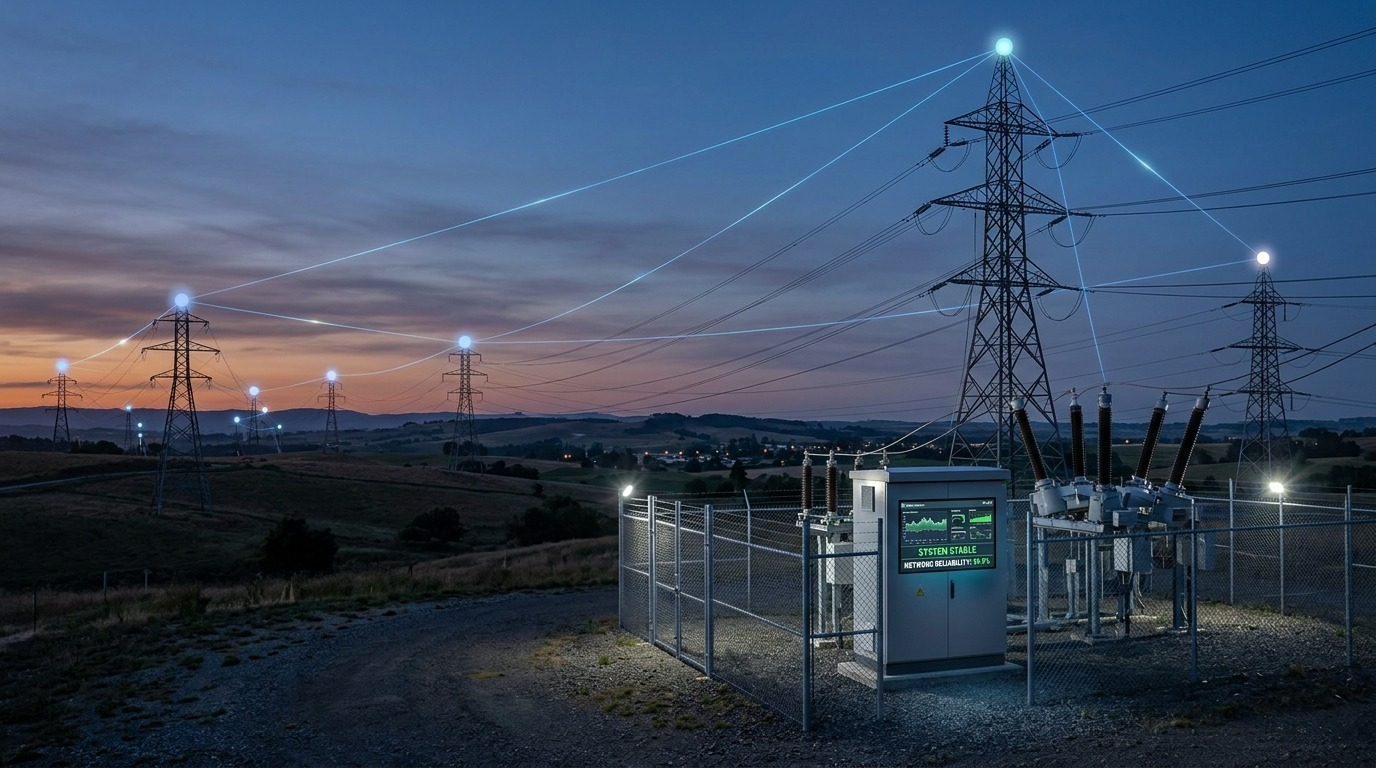
Grid automation solutions are becoming a cornerstone of modern electrical infrastructure. As power networks expand, integrate renewable generation, and face increasing demand variability, maintaining stability and reliability is more complex than ever. Grid automation solutions provide the digital intelligence and control capabilities required to ensure consistent network performance, faster fault response, and improved operational efficiency.
Traditional electrical grids relied heavily on manual intervention and limited visibility into field conditions. Today, automation technologies enable real-time monitoring, remote control, and data-driven decision-making, significantly enhancing network reliability.
What Are Grid Automation Solutions?
Grid automation solutions refer to integrated systems that combine intelligent field devices, communication technologies, and centralized management platforms to monitor and control electrical distribution networks. These systems are typically deployed in secondary substations, overhead lines, switching stations, and renewable integration points.
Their primary objective is to detect, isolate, and resolve network disturbances quickly while maintaining service continuity wherever possible.
Core components often include:
- Remote terminal units (RTUs) and intelligent electronic devices (IEDs)
- Communication gateways and centralized monitoring platforms
By connecting distributed assets into a unified control environment, grid automation solutions provide utilities with full operational visibility.
Faster Fault Detection and Isolation
One of the most significant advantages of grid automation solutions is the ability to reduce outage duration. Automated systems can detect abnormal current levels, voltage deviations, or fault events almost instantly.
When a disturbance occurs, automation systems can:
- Identify the affected section of the network
- Execute remote switching operations to isolate the fault
This targeted response prevents widespread outages and minimizes the number of affected customers.
Fault passage indicators and intelligent switching devices play a critical role in this process, feeding data into automation platforms that support rapid decision-making.
Improved Operational Visibility
Grid automation solutions enhance network reliability by providing continuous real-time data. Operators gain access to detailed information about load distribution, equipment status, and power quality across the grid.
This improved visibility allows utilities to anticipate overload conditions, manage peak demand, and perform preventive maintenance before failures occur. Historical data logging further supports long-term planning and infrastructure optimization.
Integration of Renewable Energy Sources
The rapid growth of distributed renewable generation introduces variability into electrical networks. Grid automation solutions help manage this complexity by coordinating voltage regulation, reactive power control, and production limits.
Automation systems ensure that renewable energy plants comply with grid codes and maintain stable interaction with the distribution network. This is particularly important in areas with high penetration of solar and wind installations.
Solutions developed by companies like Elseta support integration of substations, overhead lines, renewable sites, and storage systems within a secure and centralized management framework.
Enhanced Cybersecurity and Remote Management
As electrical grids become more digital, cybersecurity becomes a critical concern. Modern grid automation solutions incorporate encrypted communication, secure VPN access, certificate management, and centralized device monitoring.
Fleet management platforms allow utilities to oversee thousands of field devices, monitor firmware versions, receive real-time alarms, and manage configurations remotely. This level of control strengthens infrastructure resilience while reducing operational costs.
Scalability and Future Readiness
Electrical networks are continuously evolving. Grid automation solutions must therefore be modular and scalable to accommodate network expansion, new regulatory requirements, and emerging technologies such as energy storage and electric vehicle charging infrastructure.
Flexible architectures ensure that utilities can adapt without major system overhauls, protecting long-term investments and enabling gradual modernization.
Measurable Reliability Improvements
The implementation of grid automation solutions leads to tangible reliability improvements, including:
- Reduced outage duration and faster service restoration
- Lower operational costs through remote management
These benefits contribute directly to improved performance indicators such as SAIDI and SAIFI, which measure outage frequency and duration.
Grid Automation Solutions as the Backbone of Reliable Networks
In conclusion, grid automation solutions play a decisive role in improving network reliability. By enabling real-time monitoring, rapid fault isolation, renewable integration, and secure centralized management, they strengthen the stability and resilience of modern electrical systems.
As the energy sector continues its digital transformation, grid automation solutions will remain essential for utilities seeking to build smarter, more responsive, and future-ready power networks.
