
Fleet in Motion: How Mobile Out-of-Home Media Is Redefining Urban Logistics and Hyper-Local Marketing
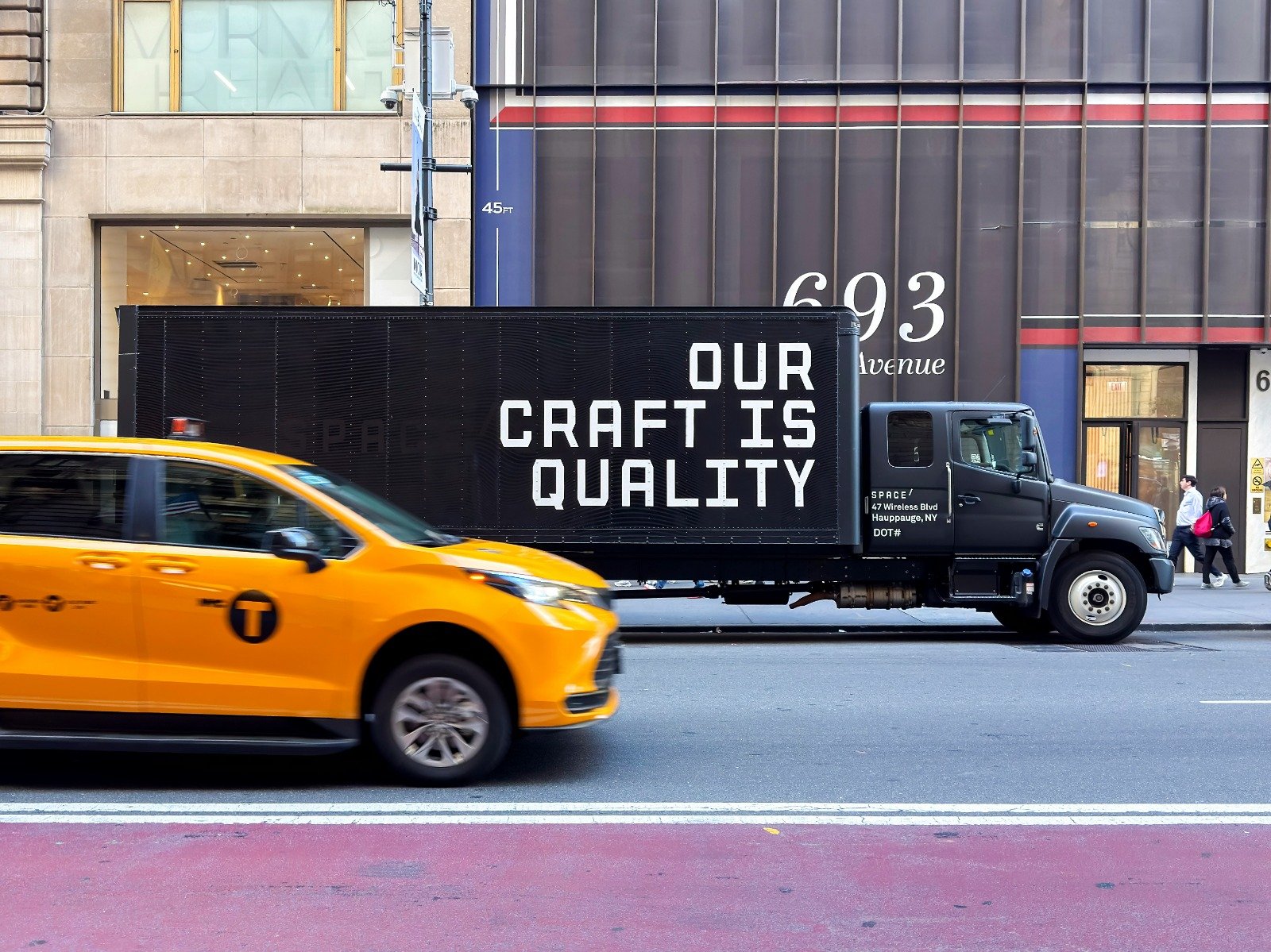
The logistics and transit sectors have always understood the value of a fleet. For decades, the primary goal of commercial transport was efficiency—moving goods and people from point A to point B via the shortest, most cost-effective routes. However, as metropolitan centers become hyper-congested and digital ad spaces reach a state of total saturation, the worlds of transit, urban logistics, and marketing are converging to unlock a massive revenue engine: unused vehicular real estate.
Static roadside displays will always hold foundational value, but modern urban environments present a unique logistical challenge. Strict municipal zoning laws, high premium costs, and fixed visibility angles mean that traditional infrastructure cannot always reach high-intent consumer zones.
To overcome these physical limitations, forward-thinking brands are turning to mobile digital out-of-home (DOOH) media. By transforming commercial and rideshare vehicles into smart, moving data centers, companies can now launch highly agile, hyper-targeted campaigns that follow the natural flow of urban life.
1. Taking the Screen to the Streets with LED Truck Media
In heavily populated urban landscapes, capturing absolute attention requires a medium that cannot be filtered, blocked, or bypassed. When a brand needs to make an undeniable impact during a major cultural event, product launch, or localized activation, relying on fixed real estate can limit market penetration.
This operational gap is precisely why led truck advertising has become a premier choice for experiential marketers and logistics-focused brands alike. Unlike fixed infrastructure, mobile LED trucks offer complete geographical flexibility. They can navigate high-traffic civic arenas, sports stadiums, convention centers, and entertainment districts that completely lack traditional billboard placements. These vehicles function as premium, multi-sided moving canvases, broadcasting ultra-high-definition video content directly at eye level to thousands of pedestrians and commuters, delivering maximum visibility exactly where static displays cannot reach.
2. Dominating the Rideshare Economy via Rooftop Displays
While specialized media trucks offer high-impact, event-driven dominance, day-to-day omnipresence throughout a major city requires a more continuous, distributed infrastructure. The modern metropolitan landscape is flooded with rideshare vehicles, delivery drivers, and urban couriers constantly moving through commercial and residential neighborhoods.
Leveraging this continuous transit network through car advertisement outdoor billboards has completely transformed the concept of hyper-local marketing. By mounting smart, high-brightness digital screens to the roofs of active rideshare vehicles, brands can seamlessly embed their message into the daily urban commute. As these vehicles travel through financial hubs, luxury shopping districts, and high-density suburban neighborhoods, they create a widespread, fluid network of eye-level impressions that blanket an entire city with unmatched frequency.
3. The Power of Geofencing and Real-Time Adaptability
What elevates mobile digital media far above traditional transit wraps is its deep integration with modern data technology. Mobile DOOH displays are not passive, looping videos; they are intelligent, context-aware devices equipped with advanced GPS and programmatic software.
This technological framework allows brands to implement sophisticated geofencing strategies:
- Dynamic Content Shifts: A mobile display can instantly swap its creative assets based on its exact geographic coordinates. A food delivery service can display breakfast promotions while moving through commercial office sectors in the morning, and seamlessly switch to late-night dinner deals when the vehicle enters residential zones in the evening.
- Environmental Triggers: Campaigns can be automated to react to live data feeds, such as local weather patterns, real-time traffic speeds, or ongoing civic events. If a vehicle gets caught in a slow-moving downtown traffic jam, the screen can automatically display longer, more detailed text narratives to engage captive drivers and passengers.
4. Maximizing Return on Spend Through Algorithmic Precision
For modern marketing teams and logistics managers, accountability is paramount. Investing in mobile outdoor media is backed by the same high-level attribution models used in online digital marketing channels.
Modern mobile DOOH networks track historical traffic densities, route behaviors, and estimated pedestrian footfall data to ensure every ad play occurs in a high-value zone. Furthermore, by cross-referencing anonymous mobile location data with vehicular routes, brands can measure post-exposure digital actions—such as immediate spikes in regional website visits, app downloads, or localized search volume. This level of transparency ensures that every dollar spent on a moving asset delivers a clear, measurable, and highly repeatable return.
The Next Phase of Urban Mobility
As the smart cities of tomorrow continue to evolve, the distinction between transit, logistics, and digital media will disappear entirely. True market leadership requires a bold approach to visibility—one that moves beyond fixed positions to embrace the fluid dynamics of human movement. By turning mobile fleets into a smart, data-driven visual network, modern businesses are ensuring their stories are never left stationary, but are actively driven into the direct path of their audience.