Claude Edward Elkins Jr: From Railroad Worker to Executive Leader
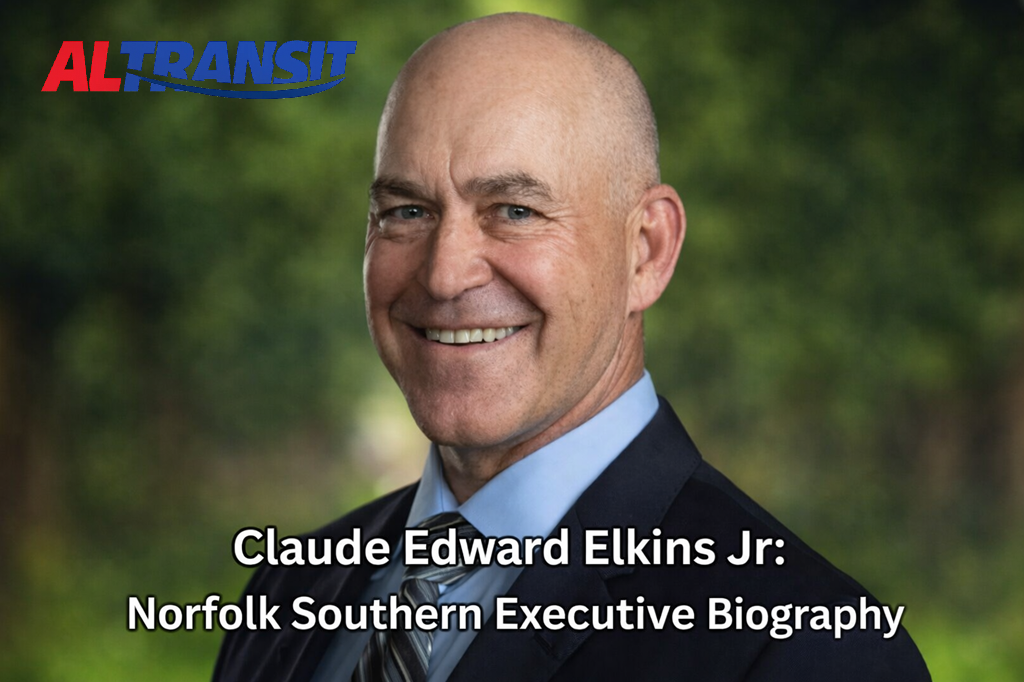
Claude Edward Elkins Jr, widely known as Ed Elkins, is an American railroad executive who serves as Executive Vice President and Chief Commercial Officer at Norfolk Southern Corporation. Norfolk Southern is one of the largest freight rail companies in the United States.
Elkins is known for a rare career journey. He began working in railroad operations as a road brakeman in 1988 and later moved through many operational and commercial roles before reaching senior leadership. His work now focuses on major freight sectors such as intermodal transportation, automotive logistics, and industrial products.
His career story is often seen as an example of leadership built through real experience, industry knowledge, and steady professional growth.
Quick Profile
| Detail | Information |
|---|---|
| Full Name | Claude Edward Elkins Jr |
| Known As | Ed Elkins |
| Profession | Railroad executive |
| Company | Norfolk Southern Corporation |
| Current Role | Executive Vice President and Chief Commercial Officer |
| Industry | Freight rail and logistics |
| Career Start | Road brakeman in 1988 |
| Military Service | United States Marine Corps |
| Education | University of Virginia’s College at Wise, Old Dominion University |
Who Is Claude Edward Elkins Jr?
Claude Edward Elkins Jr is a senior executive in the American transportation and logistics industry. He works at Norfolk Southern Corporation, a major freight railroad that operates across the eastern United States.
Railroads play a central role in the movement of goods. They connect factories, ports, warehouses, and distribution centers across long distances.
In his leadership role, Elkins oversees the commercial side of the company. His work helps businesses move products efficiently through the national rail network.
Early Life and Background
Claude Edward Elkins Jr grew up in the United States in a region closely connected to industrial transportation and rail networks.
Communities linked to mining, manufacturing, and heavy industry often depend on railroads to move goods. This environment helped shape his early understanding of transportation systems.
Family values also influenced his early life. Discipline, responsibility, and commitment to work became important principles that later guided his career.
Education and Academic Development
Education helped build the foundation for Elkins’s professional path.
He earned a Bachelor of Arts in English from the University of Virginia’s College at Wise. This education helped him develop strong communication and analytical skills.
Later he completed a Master of Business Administration with a focus on Port and Maritime Economics at Old Dominion University. This field studies global trade, shipping systems, and transportation networks.
In addition to his formal degrees, he completed executive education programs at several respected institutions.
These include:
- Harvard Business School
- University of Virginia Darden School of Business
- University of Tennessee Supply Chain Institute
These programs strengthened his knowledge of leadership, supply chain management, and strategic decision making.
Military Service and Leadership Foundation
Before starting his career in the railroad industry, Elkins served in the United States Marine Corps, where he developed discipline and leadership skills.
Military service often teaches discipline, teamwork, and accountability. These qualities are essential in industries where safety and coordination matter every day.
Elkins has often credited his military experience for helping develop the leadership skills he later used in business.
The training and structure of military life helped prepare him for managing complex organizations.
Entering the Railroad Industry
Claude Edward Elkins Jr began his railroad career in 1988 when he joined Norfolk Southern as a road brakeman.
A brakeman works directly with train crews. The job involves helping move railcars, managing switching operations, and ensuring safe train movement.
This role gave Elkins direct exposure to the daily operations of a railroad system.
Starting at this level allowed him to understand how trains move through rail yards, how crews coordinate with dispatchers, and how freight is organized for long distance transport.
Learning Railroad Operations
During the early years of his career, Elkins worked in several operational positions.
These roles included:
- Conductor
- Locomotive engineer
- Relief yardmaster
Each role required technical knowledge and operational responsibility.
A conductor manages train operations and crew coordination. A locomotive engineer drives the train. A yardmaster oversees train movement inside rail yards.
Working in these roles helped him understand how every part of the rail network connects.
This operational background later helped him make practical decisions as a business leader.
Moving Into Commercial and Marketing Roles
After gaining strong operational experience, Elkins moved into marketing and commercial positions at Norfolk Southern.
This transition allowed him to work directly with industries that depend on rail transportation.
Many industries rely on freight rail, including:
- Automotive manufacturing
- Chemical production
- Agriculture
- Construction materials
- Consumer goods distribution
His work focused on connecting customer supply chains with efficient rail services.
This experience helped him develop a deeper understanding of business logistics and customer needs.
Leadership in Freight Business Divisions
As his career progressed, Elkins took leadership roles within major freight divisions of the company.
He served as Group Vice President of Chemicals Marketing, where he worked with companies that transport chemical products by rail.
Later he became Vice President of Industrial Products. This division handles shipments such as metals, construction materials, and other goods used by manufacturing industries.
Managing these divisions required careful coordination between customers and railroad operations teams.
These roles also required strong planning to ensure reliable transportation schedules.
Executive Vice President and Chief Commercial Officer
Claude Edward Elkins Jr now serves as Executive Vice President and Chief Commercial Officer at Norfolk Southern.
In this position he oversees the company’s commercial strategy and major revenue generating divisions.
Key Areas of Responsibility
Under his leadership are several major sectors:
- Intermodal transportation
- Automotive freight services
- Industrial products shipments
- Customer logistics solutions
- Field sales and marketing teams
- Industrial development and rail served real estate projects
These divisions help connect manufacturers, ports, warehouses, and distribution centers across the rail network.
His work ensures that rail transportation remains efficient and competitive in modern supply chains.
Understanding Intermodal Transportation
One important area of responsibility under Elkins’s leadership is intermodal transportation.
Intermodal systems combine different transportation methods such as trains, trucks, and shipping containers.
For example, goods may travel long distances by rail and then move by truck to local delivery points.
This system improves efficiency and reduces congestion on highways.
Intermodal freight has become one of the fastest growing sectors in the transportation industry.
Board Memberships and Community Involvement
Claude Edward Elkins Jr also contributes to several industry and community organizations.
These roles allow him to support economic development, workforce education, and manufacturing growth.
Organizational Involvement
He serves in leadership or board roles in several organizations:
- National Association of Manufacturers
- Georgia Chamber of Commerce as Vice Chair
- Junior Achievement of Georgia
- East Lake Foundation
- TTX Company
These organizations support business development, economic growth, and education programs that prepare future workers.
His participation helps strengthen partnerships between industry, education, and communities.
Leadership Style and Professional Approach
Many colleagues describe Elkins as a practical and thoughtful leader.
His leadership style reflects his operational experience and long career in the rail industry.
Key Leadership Traits
Operational understanding
Because he worked directly in railroad operations, he understands the daily realities of rail workers.
Customer focused thinking
He maintains strong relationships with industries that depend on reliable freight transportation.
Long term planning
Railroad infrastructure and logistics networks require planning that looks years into the future.
These qualities help guide decisions that balance safety, efficiency, and long term growth.
The Role of Freight Rail in Modern Supply Chains
Freight rail remains one of the most efficient ways to move large volumes of goods across long distances.
A single train can transport hundreds of truckloads of cargo.
Rail transportation also reduces fuel consumption and helps lower highway congestion.
Companies such as Norfolk Southern operate large rail networks that support manufacturing, agriculture, and retail supply chains.
Leaders like Elkins help guide the business strategies that keep these networks running effectively.
Career Lessons from Claude Edward Elkins Jr
The professional journey of Claude Edward Elkins Jr offers valuable lessons for many industries.
Learn from real work experience
Understanding operations helps leaders make better decisions.
Grow steadily over time
Long term careers often develop through consistent effort and learning.
Combine education with practical skills
Academic knowledge and real experience together create strong expertise.
Respect teamwork
Large transportation systems depend on cooperation among many workers.
These lessons apply not only to transportation but also to leadership in other fields.
Read More | Zach Justice Age: Everything to Know About the Popular Podcast Host and Social Media Creator
Conclusion
Claude Edward Elkins Jr represents a leadership path built through experience, discipline, and long term dedication.
He began his career working directly in railroad operations and gradually developed the knowledge needed to guide the commercial strategy of a major transportation company.
Today, as Executive Vice President and Chief Commercial Officer at Norfolk Southern, he helps connect industries, supply chains, and communities through one of the most important freight networks in the United States.
His career also highlights an important truth about leadership. Real expertise grows through years of learning, teamwork, and practical experience.