
How to identify high-quality perfume dupes without sacrificing scent
Interest in perfume dupes has grown as more people look for affordable alternatives to luxury scents without giving up fragrance quality. The range of options can feel overwhelming, but knowing what separates a high-quality dupe from a poor imitation makes a real difference. A careful approach helps avoid common mistakes and leads to a more satisfying scent experience.
Perfume enthusiasts often look for alternatives that match their favorite scents in both character and performance. As budget-conscious shopping becomes more common, many want to find an affordable Aventus for Her dupe that balances price, longevity and scent similarity. Still, it is important to distinguish a well-made alternative from imitations or counterfeits.
When comparing two similar perfumes, small differences usually appear. A dupe might open with a sharper citrus note, while the original feels softer. After a few hours, the woody base in the dupe may fade faster. These details, along with checking product labels, help determine whether a dupe meets your expectations.
Understanding fragrance terminology and core distinctions
It helps to understand the categories within fragrance alternatives. Perfume dupes aim to closely replicate the scent profile of a well-known fragrance at a lower price. Many buyers start their search when trying to discover an affordable Aventus for Her dupe that still delivers a similar scent profile.
Inspired-by scents take a similar idea but add their own variation. Counterfeits, however, are copies presented as originals and often come with legal and safety concerns.
This distinction matters. Dupes and inspired-by fragrances are generally acceptable if they are clearly marketed as alternatives, while counterfeit products fall outside legal and safety standards.
Looking at ingredient transparency is another simple step. Products that include full ingredient lists and allergen disclosures, such as “Limonene” or “Linalool”, tend to follow basic safety practices. Clear labeling is often a sign that the brand meets expected standards.
Evaluating scent structure and performance at home
A useful way to assess a dupe is by looking at how the scent develops over time. Fragrances are structured in layers: top, heart and base notes. The top notes form the first impression, often citrus or light florals. Heart notes appear after 15 to 30 minutes, while base notes such as woods or musk can last for hours. Many buyers rely on simple guides and comparison methods when testing fragrances, especially to understand how dupes perform over time.
Even strong dupes may differ slightly in how these layers unfold. A dupe might feel more intense at the start but lose depth in the dry-down. Testing both fragrances side by side gives a clearer picture. Apply one to each wrist and check at intervals such as 15 minutes, one hour and four hours.
Projection and longevity also matter. If a fragrance projects strongly for a short time and then sits close to the skin, it suggests moderate performance. Apply two sprays to consistent areas and track how the scent changes throughout the day to see whether it holds its character.
Quality cues in ingredients, packaging and reviews
Ingredient concentration gives useful clues about performance. Eau de parfum (EDP) typically lasts longer than eau de toilette (EDT). While notes like amber or sandalwood suggest depth, ingredient transparency is often more important.
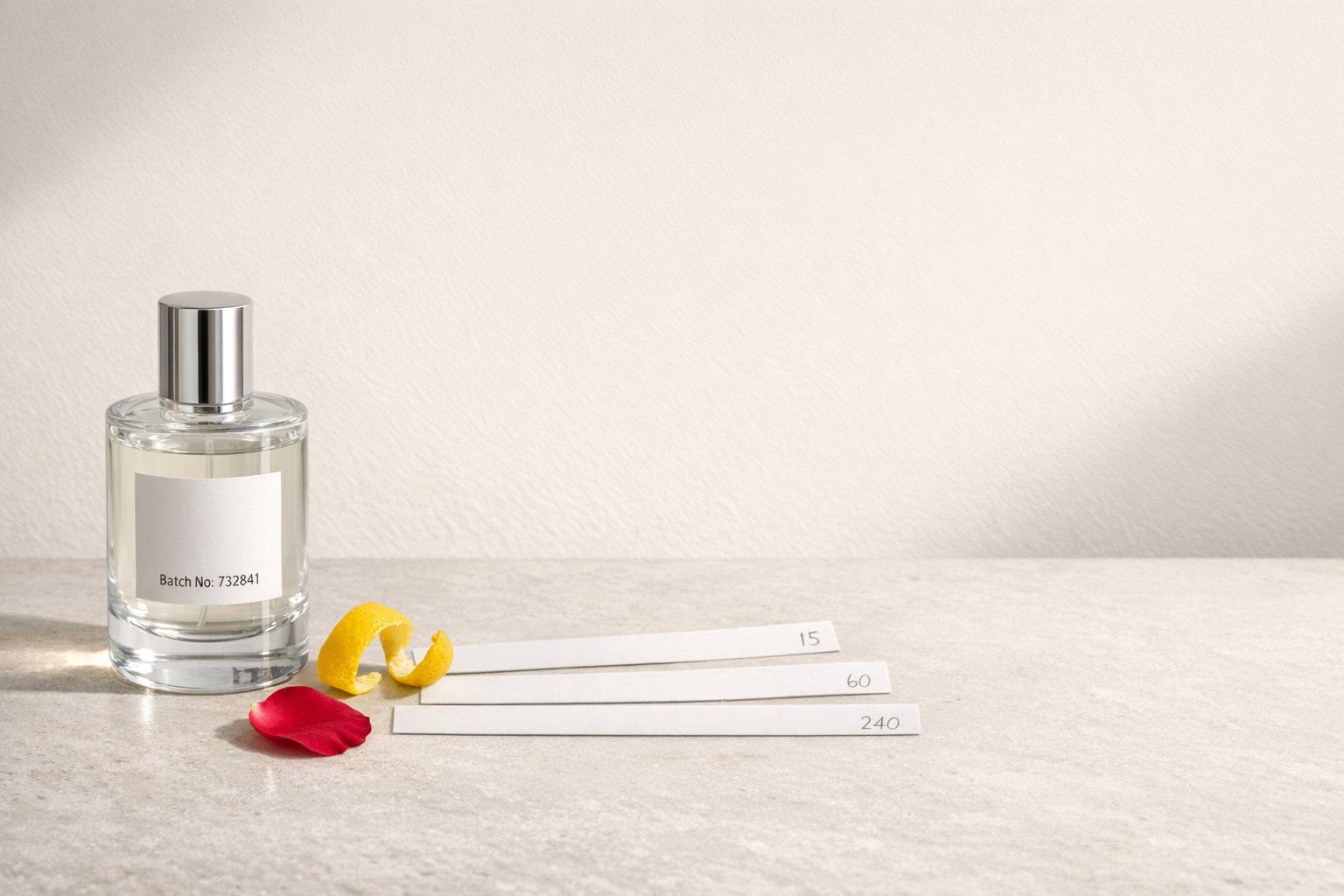
Packaging can offer hints, though it should not be overvalued. Details such as batch codes, clean finishing and clear labeling suggest a more careful process. At the same time, some good dupes come in simple packaging.
Customer reviews often provide the most practical insight. Look for repeated patterns rather than one-off opinions. If several people mention a similar scent, moderate longevity and a comparable dry-down, it usually points to a consistent product.
Practical comparison methods and common mistakes to avoid
A structured approach makes comparisons more reliable. Apply both the original and the dupe in a controlled way, allowing the initial alcohol note to fade before judging. Testing on blotter strips can also help when labeled with time intervals.
It is important not to expect an exact match. Even well-made dupes will have small differences in the opening, development, or longevity. Over-applying to compensate for weaker performance can distort the scent, so consistency matters.
Taking notes and repeating the process over a few days gives a more balanced view. With a bit of patience, it becomes easier to find options that capture much of the original scent experience without the higher price.
